Why Is Counter-Strike So Addictive?
Anyone who has played Counter-Strike has probably been there. You finish a game, glance at the clock, and think, “One more”. Sometimes, it really turns out to be just one more match. But other times, you end up playing until three in the morning.
That part is not exclusive to Counter-Strike, but CS2 has a particularly effective combination of things that keep you playing. There is no single mechanic responsible for it. The problem is how all of these smaller pieces work together. Taking a deeper look at those specific elements is a big part of what makes CS2 addiction a topic worth discussing.
What Makes Games Addictive In The First Place
The short answer is dopamine. Brain imaging research has shown that playing video games triggers dopamine release in the brain's reward system. The affected area is similar in location, though not intensity, to what various drugs can produce. And that statement is based on real findings from neuroscience research into gaming.
There is another piece to the puzzle called reward anticipation. It's not the reward itself that spikes dopamine - it's the maybe. It's the same basic mechanism that makes slot machines so hard to walk away from. In Counter-Strike terms, it is the half second after you throw a flash before you know if it blinded someone, or the pause just before a kill shows up on the feed.
Brain scans of people with diagnosed gaming disorder showed real structural changes too. The study showed a reduced amount of grey matter in areas tied to impulse control, resulting in a stronger reaction in the brain’s reward circuits. Simply put, the ability to stop gets weaker, while the urge to continue gets stronger.
Which Types Of Games Are Normally The Most Addictive?
Not every game carries this risk equally. Genre matters more than most people think.
MMORPGs have topped this list for years. Detailed worlds, endless quests, and guild obligations mean that players have an endless amount of stuff to do. Skip a raid night, and you fall behind your group, lose your spot, or just feel like you're letting people down - none of which can feel good once you're a few months or a few years in the game.
MOBAs are a close second. League of Legends and Dota 2 matches can last anywhere from 30 to 50 minutes, so even one game can take up a big part of the evening. Queue for another and you are looking at a few hours before you know it.
Battle royales are a little different. Fortnite and PUBG use the shrinking map and random loot to keep each match unpredictable, but the games are short enough that finishing one usually means jumping straight into another.
Which brings us to competitive shooters. Counter-Strike does not have the endless progression of an MMO or the huge number of systems found in a MOBA, but it does something different. Its main hooks all point back toward the same thing: playing another match.
Why Is Counter-Strike Addictive Compared To Other Games?
As previously mentioned, Counter-Strike doesn't have just one element to keep people hooked. It revolves around a handful of them, and each of them is built into how the game works.
It all starts with the ranking system. In Premier, you see your CS Rating immediately after the match, and every game changes it in one direction or the other. Reach another 5,000 points, and you hit a new color, but you also have to get through a promotion or relegation match. This means a game you started just to kill some time can suddenly become much more important. Competitive mode adds another layer because every map has its own rank.
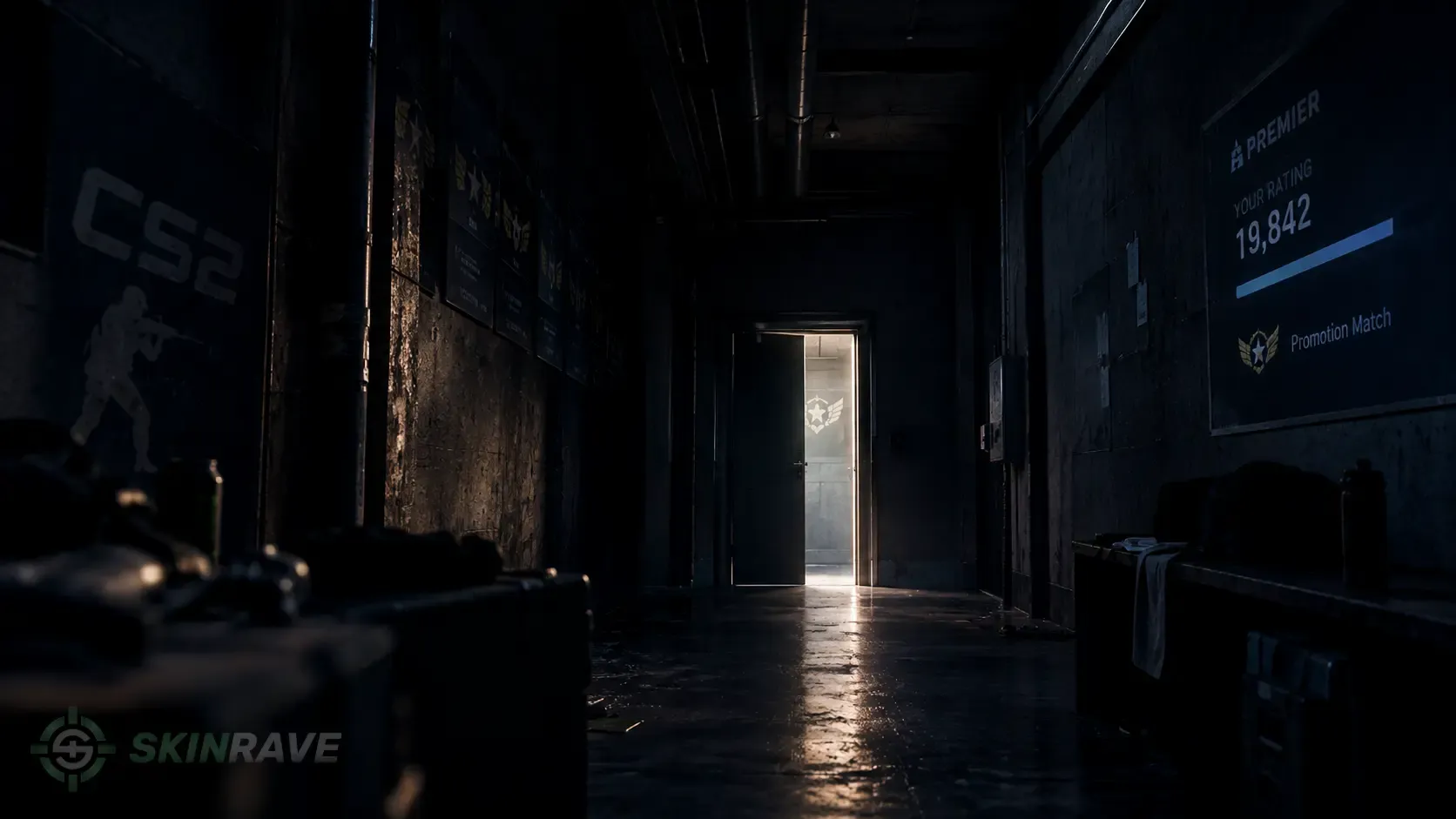
And the promotion match is a perfect setup for tilt queuing. After losing a close game, a player’s first thought is often to queue again and get the lost points back. Winning can have the same effect because players want to keep the streak going. Either way, the result is often another match.
Playing with friends adds another layer, and for many players, it can matter more than the rank itself. When you queue as a five-stack, playing starts to feel less like a casual choice and more like something you have committed to. Logging off early means leaving four other people without a teammate, or ending the night while everyone else still wants to play. That feeling of not wanting to let the group down can turn "maybe one more" into another three hours.
Then there is the part of the addiction that has nothing to do with actually playing a match. You can spend hours watching Majors, following your favorite pros, or keeping up with all the content around the game. CS2 does not really stop when you close the client. The esports scene gives you another reason to stay involved, even when you are not playing.
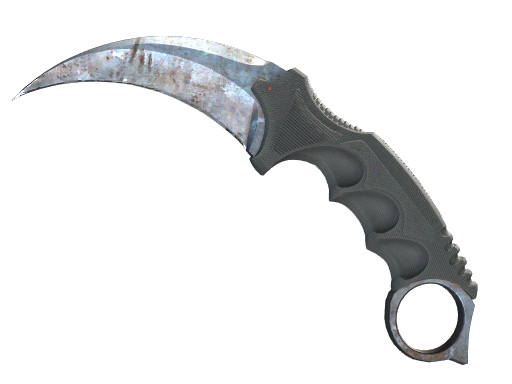
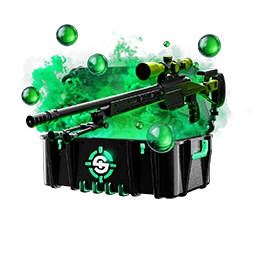
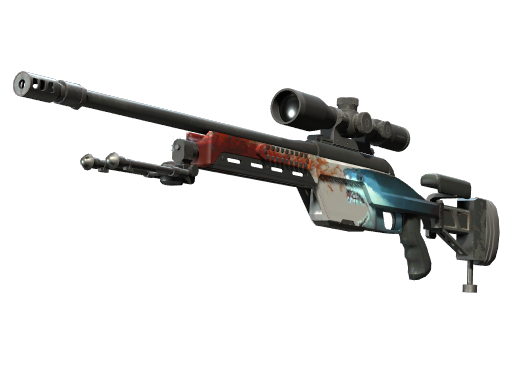
Skins are another obvious part of this. Cases have been around since 2013, letting players pay to open them and get a random weapon skin. Some of those skins can then be sold for real money. What started as a cosmetic feature eventually grew into a secondary economy worth billions. That is the main reason some countries have started looking at certain skin mechanics as games of chance rather than simple cosmetics.
To top it all off, the length of each round plays a part too. When a round only lasts around two minutes, it is easy to think there is always enough time for one more before you call it a night.
Which Regions Does Counter-Strike Dominate In Terms Of Addiction, And Why?
Steam's regional numbers are pretty clear about this, with Russia leading CS2's player base by a wide margin, accounting for about 16% of the entire global player count. Brazil is the only country outside Europe in the top five, despite having a much larger population than most of the countries above it.
Low system requirements help explain part of it. A five- to ten-year-old PC can still run CS2 fine, which matters somewhere a top-spec gaming machine is considered a genuine luxury. Eastern Europe and Brazil went beyond casual play, as they turned the game into an integral part of their esports identities. Na'Vi turned into a dynasty out of Ukraine, largely behind s1mple's individual dominance, while Virtus.pro carried the Russian scene for years before that. Even the Brazilian scene had its fair share of the CS limelight through players like coldzera and FalleN.
Going pro became a genuinely realistic way out for talented kids in these regions, a shot at real money and a life most people around them never got close to. That's a very different kind of pull than just enjoying a game.
This goes even deeper than popularity and opportunity. CS 1.6 was everywhere in Russia, Poland, and Brazil long before most shooters arrived, and for many players, their first exposure to the game came from someone at home who had been playing for years. With LAN cafes and internet bars still common, the game grew as a group activity, more like a night out than a hobby you do alone.
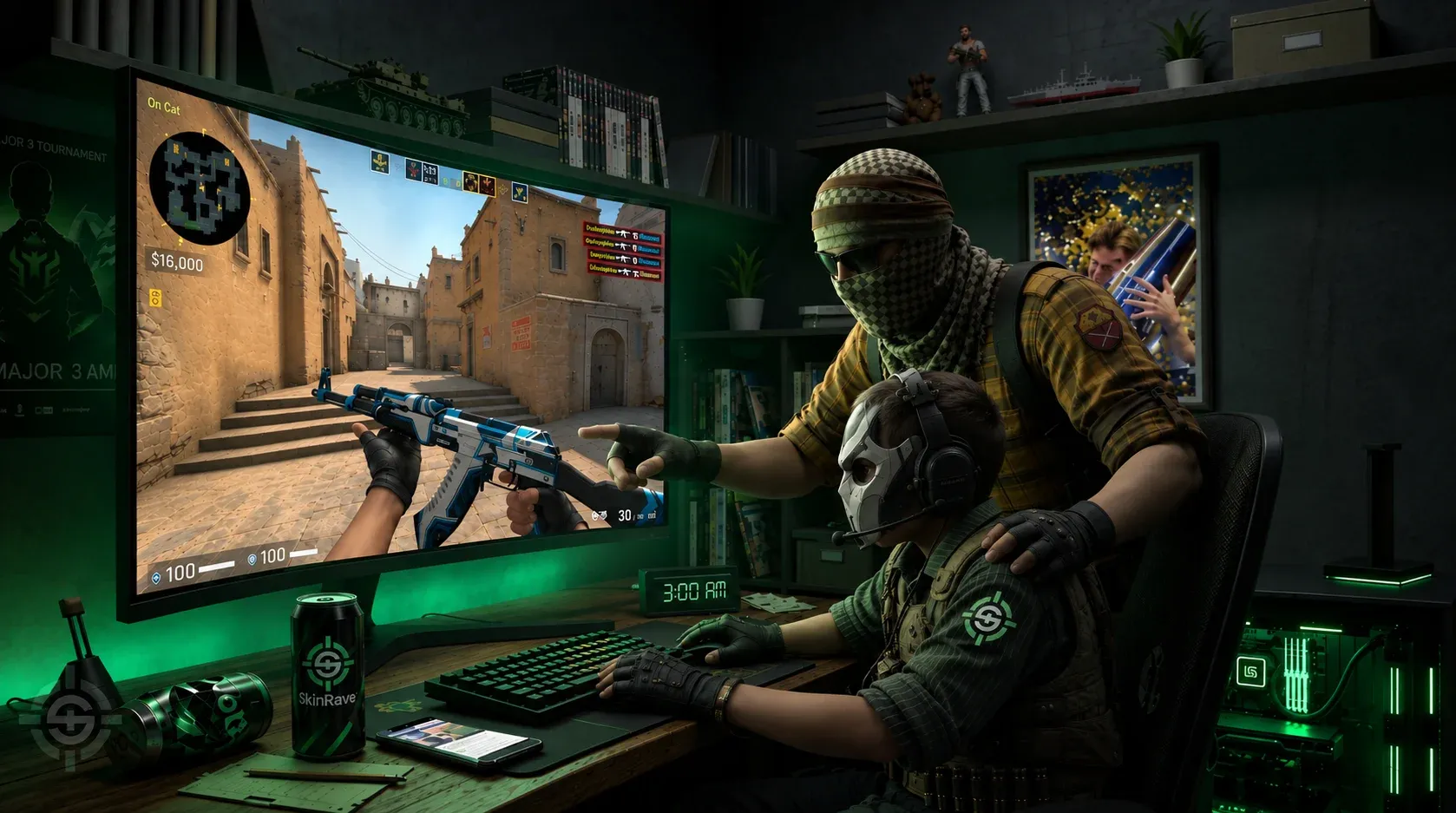
Sports betting culture plays into this too. Both regions already have a deeply integrated gambling culture around regular sports, and that habit carries over naturally into esports betting and case opening once a game gets this big.
Final Remarks
Counter-Strike isn't out to get you, and framing it that way misses the point. Most people who put real time into it are just doing something they love, and that's not a problem. But it's not innocent either. Rounds are short enough that stopping never feels urgent, but the ladder punishes anyone who logs off before a promotion match, and there can be real pressure to keep going when the people you're playing with haven’t had their fill.
None of that is an accident. It's just a good design, aimed at keeping you in the chair. Whether that's a problem or not depends less on the game and more on how honestly you can answer that for yourself.