How to trade in CS2: Beginner’s Guide to CS2 Skin Trading (2026)
Learning how to trade in CS2 is not only about sending skins to another player. To trade safely, you need to understand skin prices, Steam fees, marketplaces, float values, patterns, stickers, liquidity, and trade restrictions.
Most beginners upgrade their inventories by selling cheaper skins for a better item, finding underpriced listings, or trading directly with other players. However, doing this profitably requires a lot of knowledge.
This guide explains how to trade CS2 and CS skins step by step, value your inventory, find good trades, and avoid common scams.
Understanding Skins and Rarity
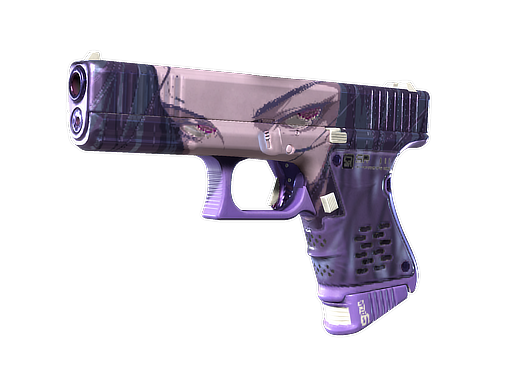
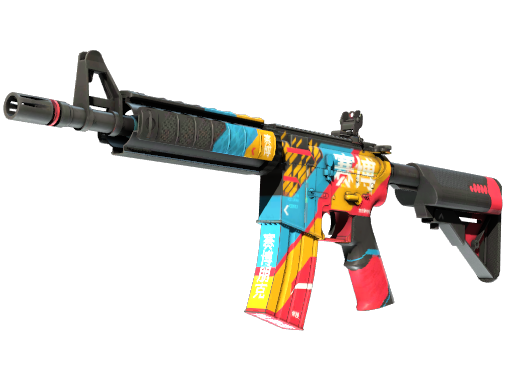
Although CS2 skins don’t impact gameplay, their aesthetics, condition, and rarity determine their market value.
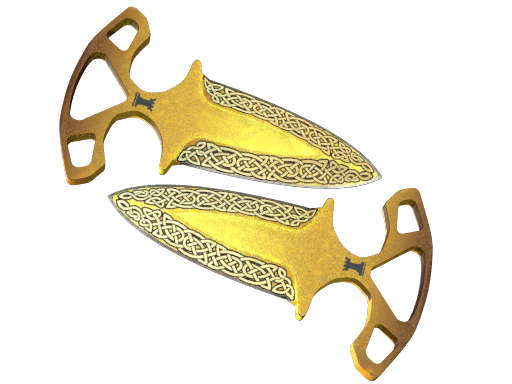
Each skin has a rarity level ranging from Consumer Grade (light gray) to Covert (red). There are also exceedingly rare items, such as gloves and knives (often called gold items). Additionally, there’s one unique skin classified as “Contraband”: the M4A4 | Howl.
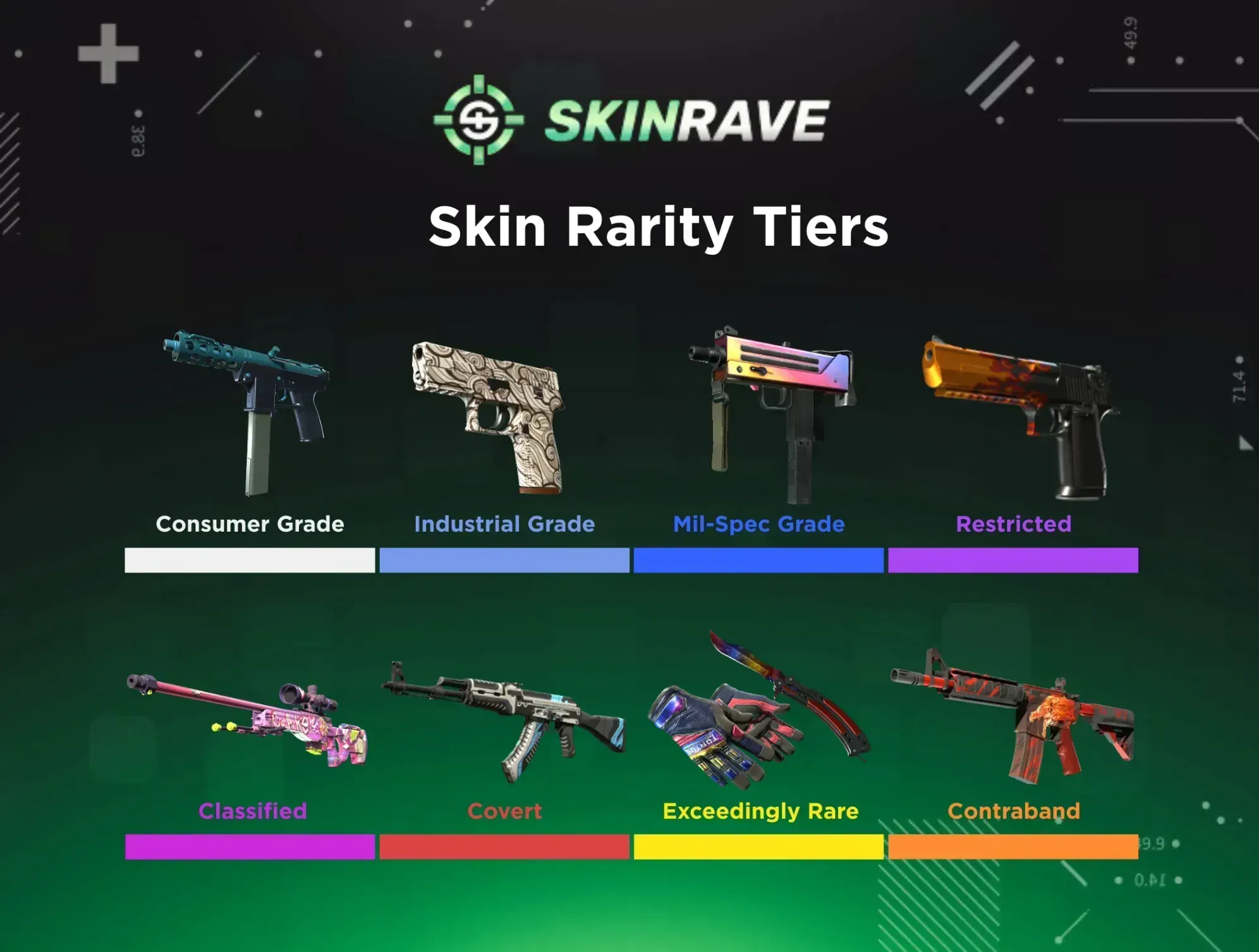
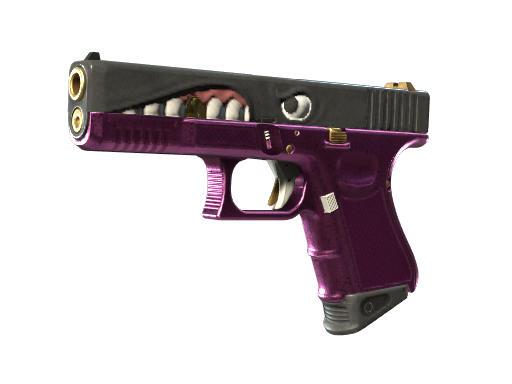
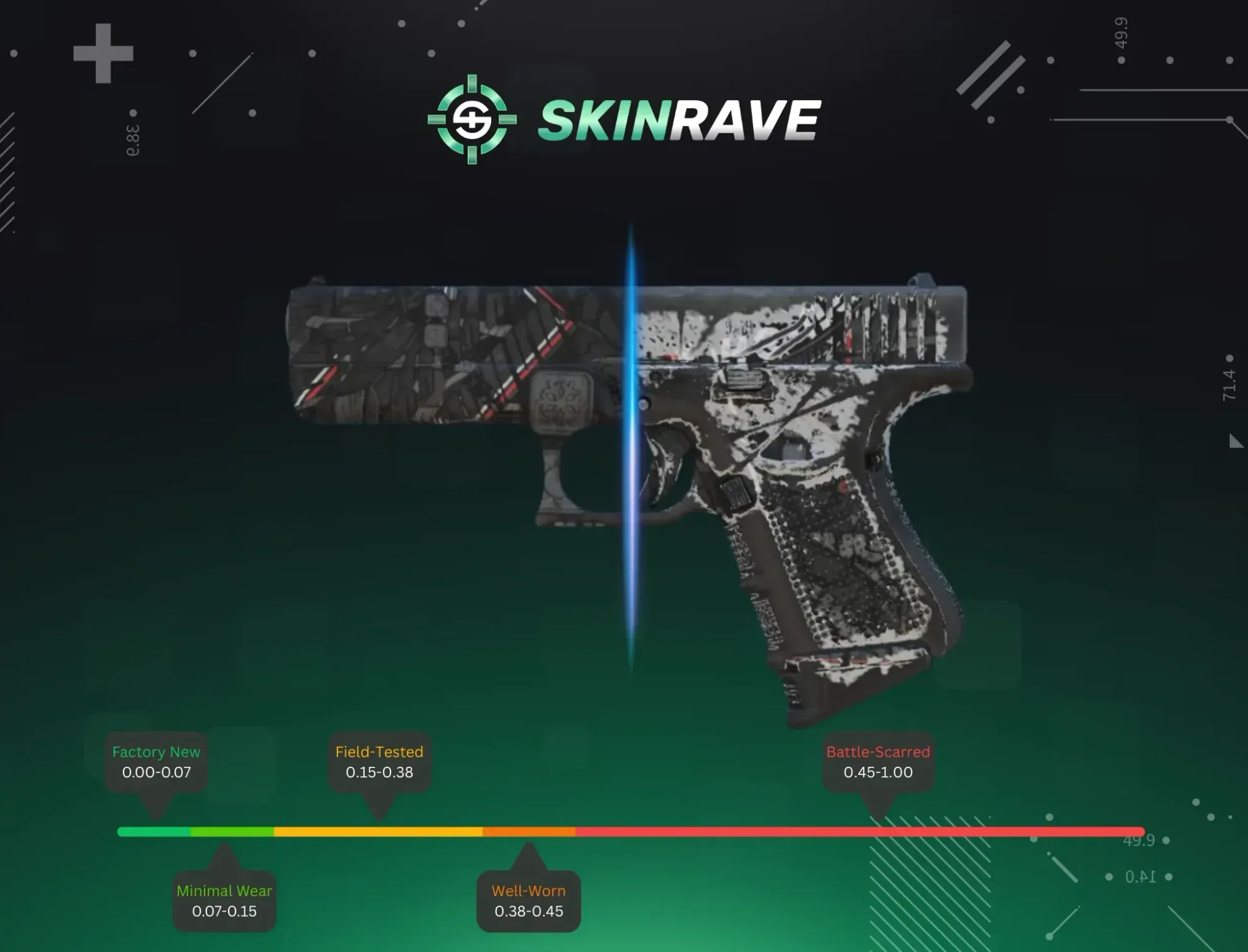
Another value component of the price of the skin is the wear level, or "float value." The float value represents the degree of wear on the skin. The less the wear level is, the more valuable the skin.
Wear-level categories in CS2 range from best to worst as follows: Factory New, Minimal Wear, Field-Tested, Well-Worn, and Battle-Scarred.
Determining a Skin's Value
Before exchanging, you must know how much your product is worth. A couple of main variables that influence skin's value are:
• Skin Type and Popularity
• Rarity Tier
• Float Value and Pattern
• StatTrak Status (these are kill-tracking skins and tend to be more expensive)
• Market Trends (prices fluctuate based on hype and community actions)
Third-party tools such as CSGOFloat or Buff allow you to discover a skin's value. Having this data can help you secure a fair deal.
How to trade CS2 and CSGO skins
Trading skins can be done in a few different ways:
- Steam Community Marketplace: It's the most secure one, but has limited flexibility, as the sellers determine the prices, and Valve charges a percentage from the sale.
- Steam Trade Offers: It allows you to trade directly with other players. You can give someone an offer to exchange, free of fees, and then get what you want in return. It is easy, but remember to double-check trade links and item values before you accept the offer.
- Third-Party Marketplaces: Some platforms allow users to sell and buy skins with almost no transaction fees and typically better prices. Using a secure website is a vital aspect of trading.
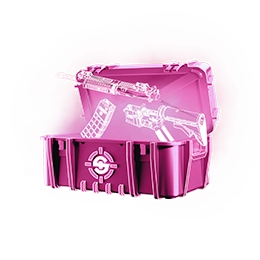
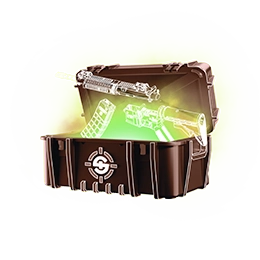
CS2 also offers weekly rewards, which grant prime users skins, cases, graffiti, etc. If you're lucky enough, you might get some valuable items, which you can later sell, or exchange. To understand the drop system, make sure to check out our article.
How to get into CS2 Trading
If you're a newcomer to trading, start small. Start with trading low-end skins or skins you get from cases. Don't hesitate to use the Steam Community Market to sell unwanted skins and create balance.
Tips that work:
• Do your price history research before accepting or making offers.
• Wait patiently—a decent offer can take days or even weeks to appear.
• Be active in reputable communities on Reddit, Discord, or forums like r/GlobalOffensiveTrade.
• Don't hurry—if a person pushes you to take the trade-in haste, it's most likely a rip-off.
• If the offer is too good, it is a trap — If you come across a website that provides free skins for signing up, or a similar gift, it's most likely a scam.
Prevention of Scams
Keep in mind that you must be exceptionally cautious when trading. Many players fall victim to scammers, so here is what you should look out for:
- Impersonators - individuals pretending to be admins or reliable traders.
- Fake verification bots - try to trick you into sending them items.
- Phishing links disguised as trade confirmations.
- Websites with "benefits" - sites that offer free skins for signing up.
To avoid being scammed, double-check a user's profile, examine Steam level and trade history, and never trade outside trusted platforms. Once you've fallen into the trap, your skin will be gone.
What's New in 2026?
Valve removed the Rare Drop Pool Cases from the weekly Care Packages in the end of 2025, which spurred confusion and anger among the community. No announcements, no articles – just a silent update.
The reason behind this update are the EU regulations against gambling. Opening a case with a random outcome is considered a form of luck-based wagering. On the other hand, buying the item from a terminal is not. That's why Valve is, seemingly, shifting towards Terminal-Based system.
Because of limited supply, the rare case prices have increased by a lot, which gives you a pretty good opportunity to make some profits.
Conclusion
Nowadays, skins are more than just weapon cosmetics, at least when it comes to Counter-Strike, they’re a way to express yourself through your loadout or even make money.
Getting into the market can be intimidating initially, but gaining knowledge in skin rarity, value, and safe trading practices will help you build confidence and avoid costly mistakes.