The Ultimate Guide to CS2 Roles and Positions
If you play Counter-Strike 2 regularly, you've probably noticed that good tactics and teamwork often make the difference between winning and losing. And you've probably also had matches where teammates played like lone wolves— pushing the wrong sites, missing utility throws, or completely ignoring team calls.
While disorganized play might work in lower ranks, if you want to climb the ladder or compete seriously, it's crucial for your team to know their roles— and to execute them skillfully.
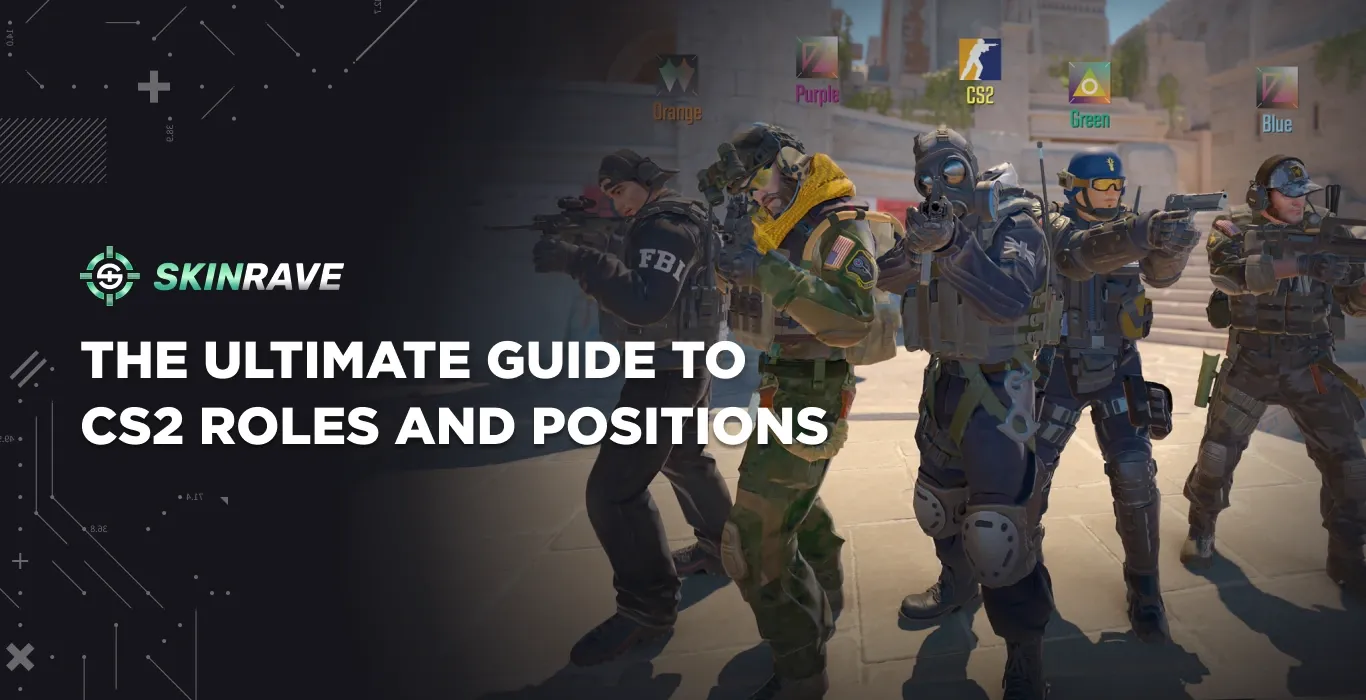
This CS2 roles guide will help you determine which role in the team matches your skills and playstyle best. In a structured team environment, clear roles prevent confusion, maximize team efficiency, and balance individual performance.
A well-balanced team usually includes
- In-Game Leader (IGL)
- AWPer
- Entry Fragger
- Support
- Lurker
There are also secondary and situational roles (like Anchor, Rifler, and Rotator) which we'll cover after the core five. For now, let's focus on each role one by one.
IGL | In-Game Leader
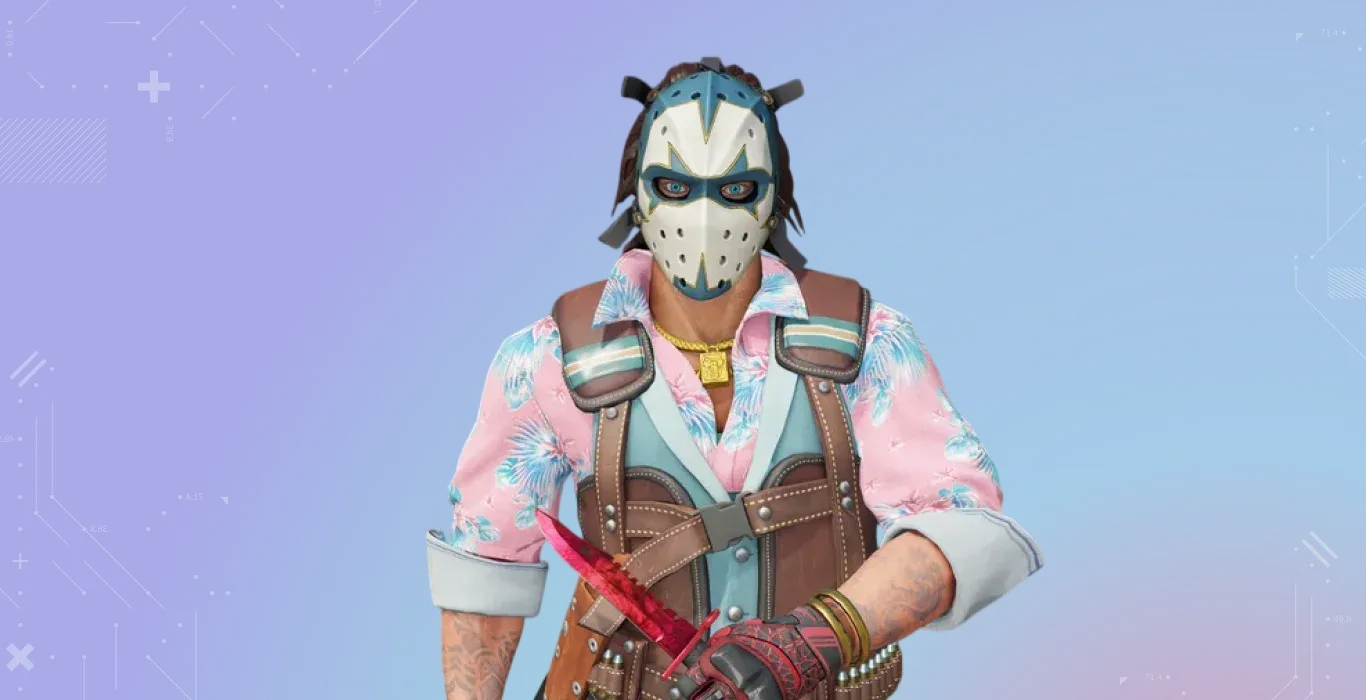
The In-Game Leader, or the IGL, is the decision-making brain of the team, requiring fast thinking and exceptionally good game knowledge. They call strategies, guide rotations, manage the economy, and adapt to enemy plays—all in real time.
His decisions are made in a split second, and a wrong call can cost the team a round. And while the IGL might not top the scoreboard, their ability to read the game and direct the team is often the key to victory.
Pros:
- Control over the team strategy and decision-making about how rounds are played
- Massive impact on games, even without topping the scoreboard
- Immense satisfaction from outthinking opponents and watching strategies work
- Develop exceptional game sense and tactical understanding
Cons:
- Huge pressure and responsibility for the team's overall performance
- Hard to focus on personal aim while constantly making calls
- One bad call can lose entire rounds
- Often blamed when the team loses, regardless of individual performance
Players that use this style: apEX, karrigan.
AWPer
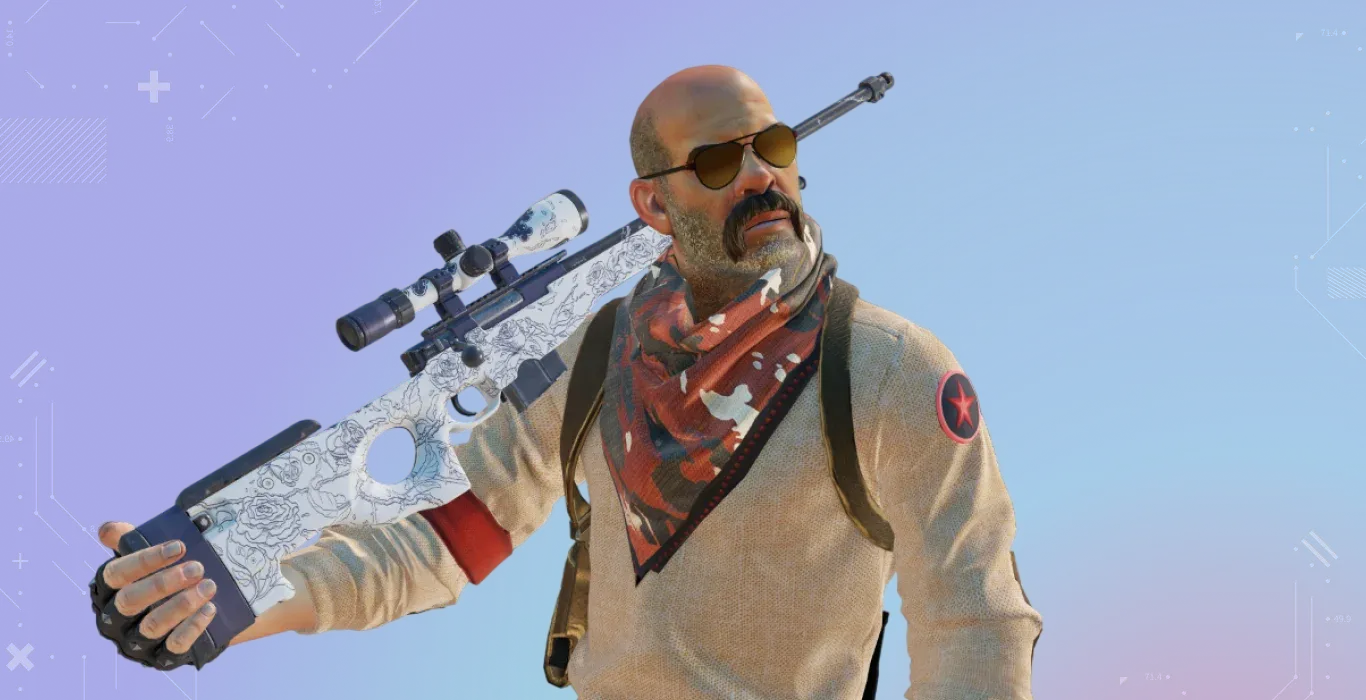
The AWPer is the team's sniper — arguably the most high-impact role in CS2. With the ability to secure one-shot kills, a good AWPer can shut down entire pushes or open up rounds with early picks.
They're especially powerful on maps with long sightlines, like Mirage (Mid) or Overpass (Long A).
Pros:
- One well-placed shot can completely stop enemy pushes and site takes
- Complete control of key map areas and force enemies to play around you
- Power to single-handedly change a round's momentum in crucial moments
- Ability to shut down entire sections of the map with proper positioning
Cons:
- High economic risk when losing the AWP
- Missing important shots often means instant death
- Intense pressure to hit important shots when the team needs them most
Players that use this style: s1mple, dev1ce, m0NESY.
Entry Fragger
Entry Fragger is the "tank" of the team — the first player to enter bombsites and take engagements. Their job is to secure opening kills or gather info, even if it costs them their life.
Entry Fraggers pave the way for the rest of the team by creating space and forcing rotations.
Pros:
- Create space and openings for the entire team to follow through
- Always involved in the most important and high-impact duels
- Opening kills often decide the round and create an immediate impact
- Perfect role for players with good aim who love aggressive gameplay
Cons:
- Success or failure of site takes often depends entirely on winning the first duel
- Expected to die first, which can be frustrating for players who care about K/D ratio
- Zero room for hesitation and demands elite aim with perfect crosshair placement
- Enormous pressure to win the opening engagement in every round
Players that use this style: NiKo, YEKINDAR.
Support
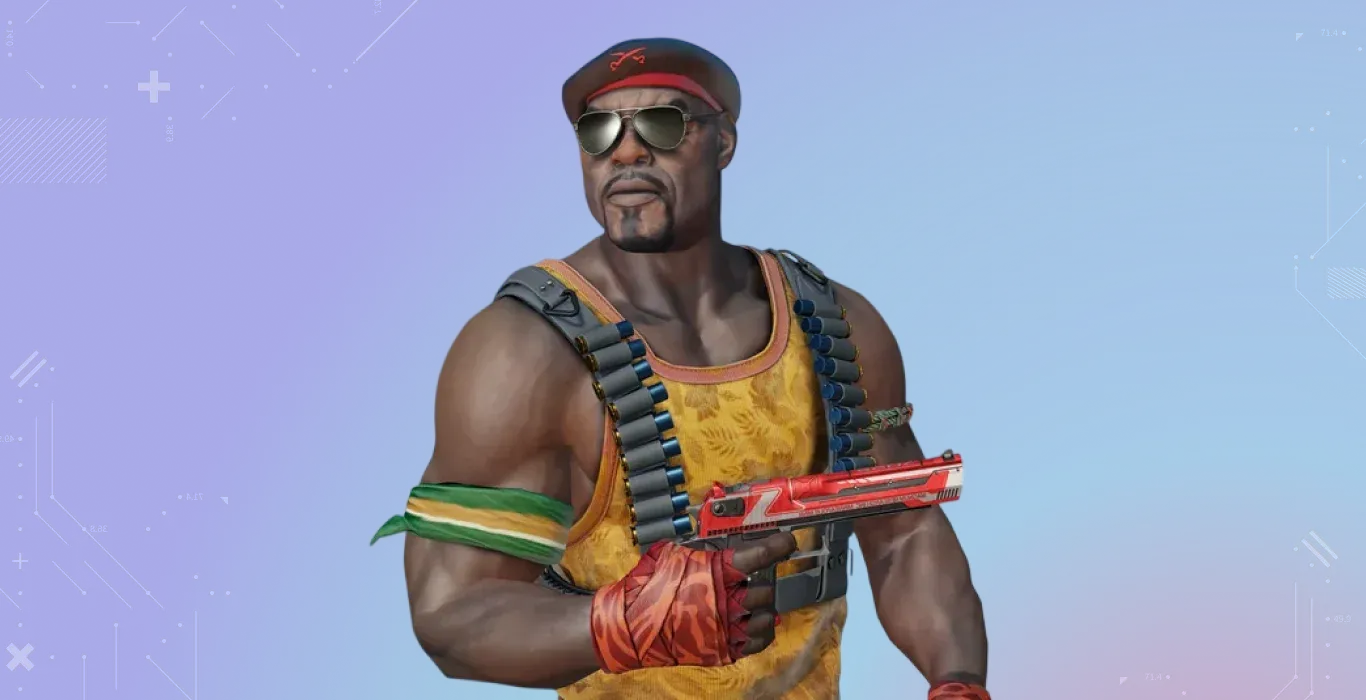
The Support is the team's backbone. Their job is to assist others (especially the Entry Fragger) with perfectly timed flashes, smokes, mollies, and drop buys. They often play selfless positions, making sure everyone else can do their job properly.
Great Supports might not show up on the scoreboard, but they show up where it counts: on the radar and in the win column.
Pros:
- Enable teammates to succeed through perfectly timed utility and flashes
- Higher survival rate leading to more clutch opportunities
- Win rounds through smart utility usage rather than raw fragging
- Strategic impact that goes far beyond what appears on the scoreboard
Cons:
- Contributions often go unnoticed and don't show up in statistics
- Perfect timing and communication required, or utility becomes useless
- Frequently left in difficult 1vX situations to save rounds
- Can be frustrating when teammates don't capitalize on perfect setups
Players that use this style: Perfecto, ropz.
Lurker
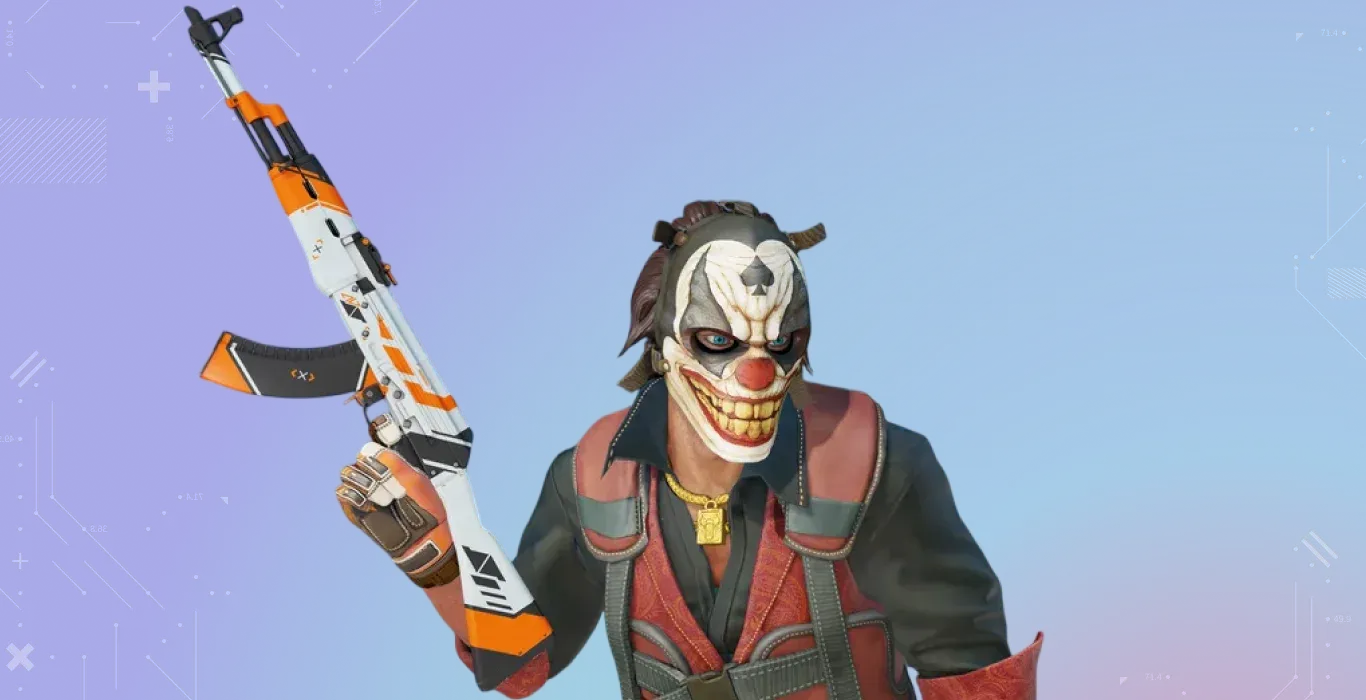
Playing as a Lurker is the funniest role you can take. His primary duties are holding flanks, applying pressure on the opposite side of the map, and striking when the enemy is least prepared. A well-timed backstab or solo pick can completely unravel enemy defenses.
They are also a good source of information, as they see what the other team is trying to do from behind.
Lurkers rely on timing, patience, and game sense more than raw aim.
Pros:
- Can single-handedly swing rounds with perfectly timed flanks
- Great role for players who enjoy mind games, patience, and strategic timing
- You provide valuable information about enemy movements and rotations that others can't see
- Perfect for players who prefer to outplay opponents with cunning rather than raw aim
Cons:
- You often play in isolation with no teammates available to provide support
- Risk of having no impact on the round if your timing is off
- You become predictable and easy to counter if you develop patterns in your play
- Can be mentally challenging to stay patient and wait for the right moment to strike
Players that use this style: KSCERATO, huNter.
Secondary Roles and Adaptability
Let's not forget that a real match is never static – people die, positions shift, and teams adapt. That's why flexibility and adaptability are important — especially in higher-level play.
It's always important to master several roles, as each situation requires a special approach and set of skills.
While the five main roles form the backbone of any CS2 lineup, here are key secondary roles that often emerge mid-round or on specific sides:
- Anchor: Usually a CT-side role, the Anchor holds a bombsite alone or with minimal help. They must delay rushes, survive as long as possible, and use utility wisely. A great anchor can buy time for the team to rotate and win the round. Requires good aim and utility knowledge.
Prominent Anchors: Magisk, b1t.
- Rifler: The Rifler is the team's all-purpose weapon specialist, usually playing with AK-47 or M4s. They fill in wherever needed — sometimes trading the Entry, sometimes holding angles like a Support, or stepping up to AWP when the main sniper is down. Requires adaptability, precise aim, and fast reaction.
Prominent Riflers: donk, electroNic.
- Rotator: Another CT-side role, the Rotator floats between the two sites and backs up whichever one is under attack. Their job is to read the game fast and arrive with the right utility to help hold or retake.
Prominent Rotators: ZywOo, sh1ro.
- Secondary Caller: When the IGL dies, someone has to step up. That's the Secondary Caller — often a player with high map awareness who helps make decisions mid-round or keeps the team focused.
Prominent Secondary Callers: frozen, iM.
Why is it Important to Know Your Role?:
A team with five AWPers won't win many games. Neither will a team with five passive lurkers. Winning in CS2 means understanding your job, and playing to your strengths.
Whether you enjoy entering with raw aggression, out-thinking opponents as a Lurker, or being the quiet glue that holds it together as Support, there's a role for every kind of player.
Figure out your style. Practice your role. Learn the others.
And you'll not only win more, but you'll become the kind of teammate everyone wants on their team.